
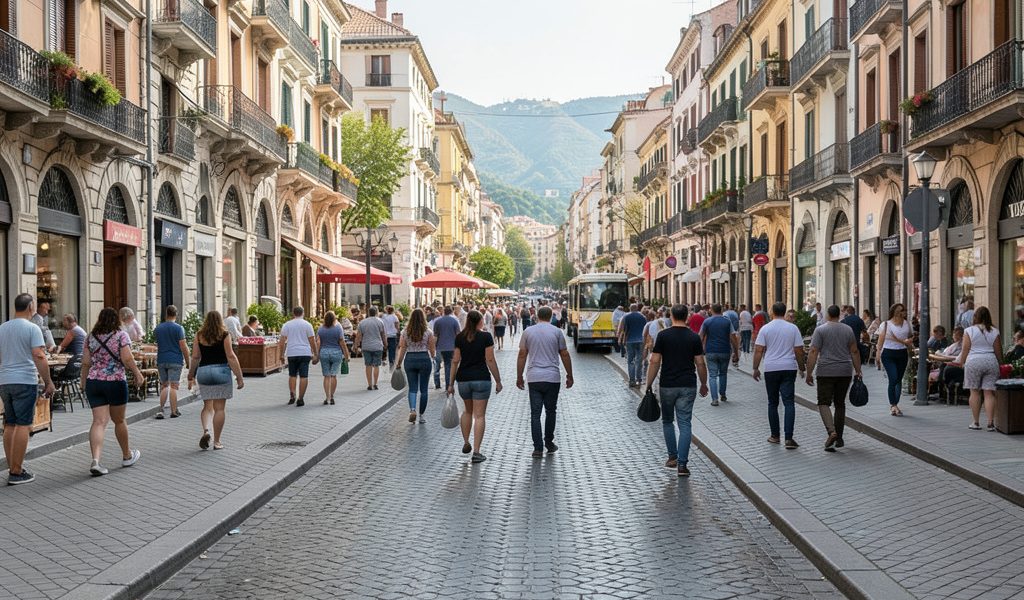
MA Hotels – Special Report Overtourism is a global phenomenon in which visitor numbers exceed a destination’s carrying capacity, disrupting its environmental and cultural balance and straining its infrastructure. It occurs when visitor volumes overwhelm the quality of the experience and place unsustainable pressure on local resources, with long-term consequences that can threaten the destination’s continued viability.
The problem does not appear suddenly; it builds gradually. A destination markets itself successfully and attracts growing numbers of seasonal tourists. Short-term visitor statistics and revenues suggest clear success. Yet roads, transport, water supplies and energy infrastructure were designed for local residents and a limited number of visitors. As arrivals continue, these systems begin to fail under the pressure. Traffic becomes gridlocked, waste accumulates, and hotels and serviced apartments run short of water.
Pressure on natural resources and fragile ecosystems
Fragile ecosystems bear the greatest burden. Coral reefs are damaged by chemical sunscreens, boat anchors and irresponsible divers. Desert vegetation deteriorates when four-wheel-drive vehicles leave designated routes. Groundwater is depleted to irrigate golf courses or fill resort swimming pools. Light and noise pollution disrupts nocturnal ecosystems and threatens wildlife. Environmental sustainability, once the basis of the destination’s beauty, becomes a secondary priority in the race for quick profits.
Erosion of cultural identity and dilution of local character
The material impact extends to the social and cultural fabric. Historic neighborhoods turn into open commercial museums, where family shops are replaced by souvenir stores and international cafés. Local celebrations and traditions are reduced to quick tourist shows that lose their original meaning. Rising property and rental prices due to tourist demand drive original residents out of the centers of their cities. The local community is split between those who benefit from tourism and those harmed by it, creating social tensions. The destination gradually loses the spirit that originally attracted visitors.
Declining visitor experience and damage to the destination’s reputation
The irony is that overtourism destroys what visitors are seeking. Tourists pay huge sums only to find themselves in severe crowds at attractions, or waiting hours in lines, or facing inflated prices for mediocre services. The experience becomes generic and congested rather than exceptional and comfortable. Images of crowds and negativity spread on social media and haunt the destination’s reputation. Informed travelers begin to look for less‑crowded alternatives, leaving the destination to mass‑tourist groups who spend less and stay for shorter periods, which cyclically worsens the problem.
Depletion of infrastructure and public services
The pressure is not limited to tourist areas only. Sewage networks reach their maximum capacity and cause pollution leaks. Waste‑collection systems cannot keep up with the massive volumes, especially during peak seasons. Road and transport networks break down due to congestion, affecting local residents’ mobility and freight movement. Local medical services are stretched to treat emergency cases of tourists. Residents feel like guests in their own city, as services and investments are directed primarily to serve the tourism sector at the expense of their daily needs.
Practical steps for managing flow and protecting the destination
Addressing the issue requires smart strategies that restore balance. Setting a daily ceiling for visitors to environmentally or culturally fragile sites is a fundamental first step. Implementing a pre‑booking system with designated visiting times spreads pressure throughout the day. Raising ticket prices during peak periods and lowering them during quiet times encourages distribution. Developing new tourist routes and tours in adjacent, less‑crowded areas relieves the load on central points. Investing in smart infrastructure, such as efficient public‑transport systems that connect areas and reduce reliance on private cars.
Activating local community participation in decision‑making
Without local residents’ support, any plan fails. Communities must be involved in planning and decision‑making about how tourism develops in their area. A portion of tourism revenues should be directed straight to improving local infrastructure and services. Encourage community‑based tourism models owned and managed by locals, ensuring they reap direct benefits. Awareness programmes that explain to visitors the local culture and customs and how to visit sites respectfully. Protect the housing and commercial rights of long-standing residents in tourist destinations to prevent their displacement.
Shift towards sustainable tourism models with added value
The focus must move from quantity to quality. Promote slow tourism that encourages longer stays and deeper exploration instead of quick tours. Market off‑season tourism through distinctive events and activities that attract different visitor segments. Develop specialized tourism products that rely on authentic natural and cultural heritage, such as traditional‑craft workshops or bird‑watching trips with local guides. Attract tourists who value sustainability and are willing to pay a premium for an authentic and responsible experience.
Common mistakes that deepen the overtourism crisis
Common mistakes include ignoring early warnings such as growing resident complaints or visible deterioration in public facilities; relying entirely on online booking platforms that may promote unregulated visits; focusing only on seasonal marketing without a plan to manage actual visitor flows; treating tourism as an isolated industry rather than integrating it into wider urban and environmental planning; giving in to investor pressure to expand hotel and resort capacity without assessing the cumulative impact; and failing to collect and analyse reliable data on visitor movements, peak periods and effects on different sites.
Smart tips for entrepreneurs and hotels in crowded destinations
Do not compete for the same traditional tourist in the same congested area. Look for a market gap that serves an unmet need, such as offering quiet experiences away from crowds or providing smart logistical services that overcome obstacles. Invest in service quality rather than just capacity. Develop partnerships with local guides or community projects to offer exclusive, authentic offers. Use technology to manage bookings and services efficiently, reducing friction and waiting time for guests. Promote off‑season periods with special offers that attract a different type of client. Be a responsible voice calling for sustainable tourism within sector unions.
Frequently Asked Questions
What is the difference between a successful tourist destination and one suffering from overtourism? Success is measured by the sustainability of the experience and long‑term local community satisfaction, not by short‑term visitor numbers.
Can overtourism completely destroy a tourist destination? Yes, if it continues unchecked it can lead to irreversible environmental and social degradation, and loss of reputation makes it unattractive to any type of tourist.
What can I, as a tourist, do to avoid contributing to the problem? Choose to visit destinations off‑peak, use local services, respect environmental and cultural rules, and seek experiences off the crowded traditional routes.
How do I know if the destination I’m visiting is suffering from overtourism? Indicators include unnatural crowding, local residents’ complaints, obvious deterioration in cleanliness and facilities, and unjustified price hikes for basic services.
What is the role of governments and municipalities in managing this crisis? A pivotal role in establishing reservation systems, regulating visitor flow, investing in resilient infrastructure, and protecting fragile sites and cultures through effective laws and enforcement.


