
MA Hotels – Special Report
Off-season tourism is no longer just an option for travelers seeking discounted rates or relative tranquility; it has become a highly important economic and strategic tool for managing tourist destinations and shielding them from sharp demand fluctuations. This strategy smooths the revenue curve throughout the year, preserves jobs, and ensures service continuity, turning the tourism sector from a seasonal activity into a sustainable industry that continuously supports the local economy.
Why is off-season tourism an economic necessity?
The fundamental reason lies in the nature of the traditional tourism economy that relies on peak seasons. During these periods, destinations experience massive pressure on infrastructure and services, while outside them they suffer a near‑standstill of tourism‑related economic activity. This fluctuation leads to financial difficulties for companies, employment instability, and waste of the energy and resources allocated to preparing for the short season. Off‑season tourism helps alleviate this sharp disparity.
From a destination management perspective, a steady flow of tourists throughout the year means more regular tax revenues for municipalities and local governments. These revenues can be directed toward continuous maintenance and improvement of public facilities, rather than emergency spending to accommodate peak‑season numbers. Financial stability also reduces the need for governments to provide emergency support to the sector during prolonged downturns.
At the business level, a hotel or restaurant that operates efficiently for 12 months is a healthier enterprise than its counterpart that runs at full capacity for only 3 or 4 months. Off‑season tourism allows these establishments to spread their fixed costs (such as base salaries and maintenance) over a longer period, improving profit margins and reducing financial risk. It also provides cash flow that enables investment in service development and training.
Practical steps to stimulate off‑season tourism
The first step begins with a fresh understanding of the target audience. Destination marketers should not focus solely on sun‑and‑beach lovers in summer, but explore other interests. For example, the destination can be promoted as a haven for writers and seekers of tranquility in autumn, as a hotspot for long‑distance hikers in spring, or as a centre for cultural and language learning in winter. This requires a complete re‑crafting of the marketing message.
Public‑private collaboration is critical here. Relevant government bodies must coordinate with hotels, airlines and local transport providers to offer integrated, attractive off‑season travel packages. These packages should go beyond simple accommodation discounts to include unique experiences unavailable during peak periods, such as attending local workshops, guided tours with experts, or exclusive cultural events.
Adjusting the calendar of events and activities is another focal point. Rather than confining major cultural, artistic and sporting festivals to the summer months alone, they should be spread across the different seasons. Hosting a film festival in October, an art exhibition in February, or a bike race in November attracts an entirely new tourist segment and breaks the stereotypical image of the tourist season.
Common mistakes to avoid
The biggest mistake some destinations make is treating off-season tourism as merely a cheaper version of the peak experience. Closing half of the hotel facilities, cutting restaurant and tour operating hours, or suspending leisure transport services creates a poor experience for the visitor. Off-season tourists are looking for a different kind of value, not necessarily just the cheapest, and neglect in service kills your reputation and prevents their return or recommendation to others.
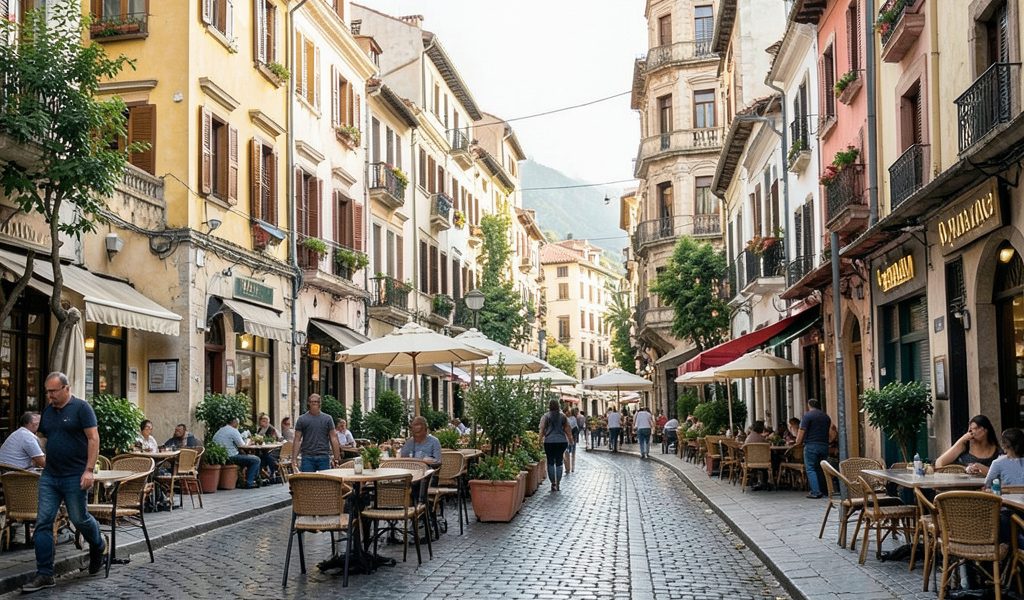
Another mistake is marketing in the same way. Using images of crowded beaches and bright sunshine in a campaign targeting the winter months is illogical and unappealing. Marketing content should reflect the destination’s charm at that specific time of year: calm atmosphere, the beauty of nature in autumn, the warmth of cafés in winter, or the vibrancy of local life away from the crowds.
Neglecting communication with the local market is a strategic mistake. Local residents are often the first to benefit from off-season offers, and they are also the destination’s primary ambassadors. Ignoring loyalty programmes for locals or failing to involve them in non-seasonal events deprives the destination of a strong local support base and prevents the creation of a vibrant community around tourism activities throughout the year.
Smart tips based on experience
فكر في إنشاء “منتج سياحي” جديد بالكامل لفترات ما خارج الموسم. على سبيل المثال، إذا كانت وجهتك ساحلية، يمكن تطوير برامج لرصد الطيور المهاجرة أو مراقبة النجوم في الأشهر الأقل حرارة. إذا كانت وجهتك جبلية، يمكن الترويج لرياضة المشي في الخريف عندما تتلون الأوراق، أو للتزلج الريفي على الثلج في الشتاء. المفتاح هو تحويل ما يُنظر إليه على أنه عيب (برودة الجو، احتمال هطول المطر) إلى جزء من جاذبية التجربة الفريدة.
Invest in continuous staff training. Off-season tourism workers face different challenges; they need more time to engage with guests, deeper knowledge of the activities available at that time, and greater flexibility in dealing with smaller, more diverse groups. A well-trained team can turn an ordinary stay into an unforgettable personalized experience, which encourages the guest to return and give positive recommendations.
Use data intelligently. Track and analyze data on tourists who visit off-season: where they come from, what their interests are, how much they spend, and where they spend it. This data allows you to design more precise offers and target marketing campaigns toward the most responsive markets and segments. You may discover that the European retiree market is most active in March, or that young families prefer short weekend breaks during autumn.
Frequently Asked Questions about Off-Season Tourism
Q: Does off-season tourism necessarily mean a decline in service quality?
A: No, on the contrary, the goal is to provide a different and distinctive experience, often quieter and focused on the personal quality of service, not a cheap version of the peak-season experience.
Q: How can destinations with harsh off-season climates (such as extreme heat or bitter cold) attract tourists?
A: By focusing on indoor activities: museums, art exhibitions, craft workshops, cooking classes, wellness resorts (spa), and indoor festivals. Promotion can also target the immediate pre- or post-season period, when the weather is acceptable but crowds are absent.
Q: What is the expected economic return from investing in off-season tourism?
A: The return is not only financial through higher room occupancy rates and revenue, but also in workforce stability, skill retention, and creating a positive reputation for the destination as a sustainable and attractive year-round location, enhancing its long-term value.
Q: Does the success of this strategy require massive marketing budgets?
A: Not necessarily; it requires creativity and collaboration. Partnerships between hotels, airlines, local carriers, and retailers are often cost‑effective. Marketing exclusive experiences through social media channels and travel blogs can also achieve wide reach at a reasonable cost.


